


Libyan MPs approve $33m for polls
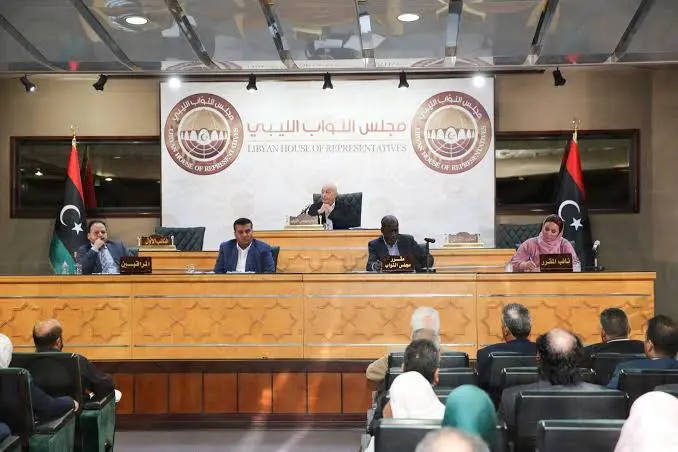
Libya’s House of Representatives has approved $33.3 million in funding for long-delayed parliamentary and presidential elections, reviving hopes of a political breakthrough while raising familiar questions about whether the vote will actually take place.
The High National Election Commission said on Tuesday that it had received Decision No. 3 of 2026, issued by the Libyan House of Representatives, allocating 210 million Libyan dinars to cover the costs of organising nationwide elections.
According to the commission, the funds will be disbursed under the supervision of the House of Representatives’ Presidency Bureau and are intended to finance the technical, logistical and operational aspects of both parliamentary and presidential polls.
The election body welcomed the decision, describing it as a “serious and practical step” and confirming its readiness to begin preparations. Yet similar declarations of readiness have accompanied previous election initiatives that ultimately collapsed amid political disputes and legal uncertainty.
Libya has not held national elections since the failure of the planned December 2021 vote, which unravelled at the last moment due to disagreements over candidate eligibility, constitutional rules and the balance of power between state institutions.
Since then, international mediation led by the United Nations Support Mission in Libya has sought to bridge divisions between rival political actors, but progress has remained slow and uneven.
The country continues to be governed by competing administrations. In the west, the Tripoli-based Government of National Unity, led by Abdul Hamid Dbeibeh, controls most of western Libya. In the east, a parallel government appointed by parliament in early 2022, headed by Osama Hammad, operates from Benghazi and oversees eastern Libya and large parts of the south.
While the approval of election funding may be welcomed by many Libyans eager for a vote, observers note that financial allocations alone have never been the main obstacle. Without agreement on a binding legal framework and clear guarantees that the electoral process will not again be suspended or contested, the latest budget risks becoming another symbolic step rather than a decisive one.
How to submit an Op-Ed: Libyan Express accepts opinion articles on a wide range of topics. Submissions may be sent to oped@libyanexpress.com. Please include ‘Op-Ed’ in the subject line.

- Chevron advances Libya return with new production-sharing deal - August 25, 2026
- Libya prepares $5bn tender to develop North Gialo field - August 08, 2026
- Mellitah nearly triples output from Abu Attifel well - August 01, 2026