


Libya moves closer to unified pay scale as teachers demand action
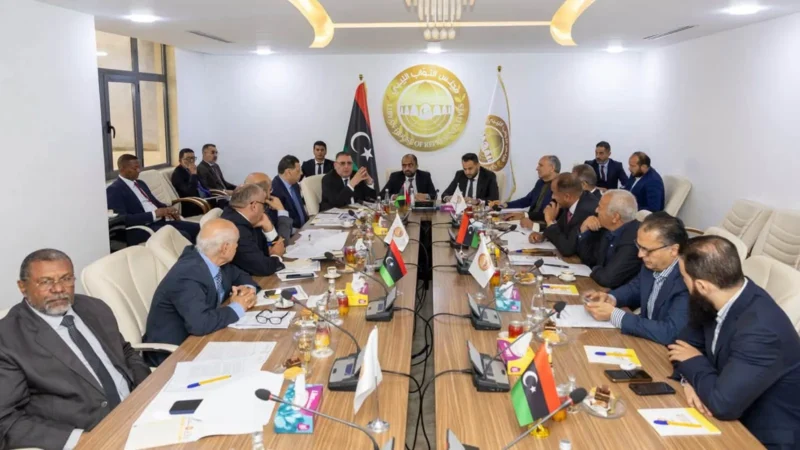
Libya’s House of Representatives is expected to consider a proposed unified public sector salary scale on Monday in Sabha, following the completion of technical discussions on legislation that has drawn competing demands from teachers, university academics and the judiciary.
Parliamentary finance committees concluded their review of the bill ahead of the session, with lawmakers seeking to establish a more consistent pay structure across government institutions while keeping expenditure within the state’s financial capacity.
The final consultations took place on Sunday in Tripoli, bringing together members of parliament, Central Bank Governor Fawzi Abu Khuzam, Finance Minister Rashid Abu Ghaffa and representatives of the labour and planning ministries.
Discussions focused on the financial implications of the proposed legislation, including differences between existing salary grades, disparities in remuneration across public institutions and the potential cost of implementing a unified framework.
The bill has exposed divisions among public sector employees, with some groups pressing for immediate implementation while others fear losing existing salaries, allowances or employment benefits.
Teachers currently engaged in industrial action have called for the legislation to be approved without further delay, linking their demands to outstanding salary entitlements.
Opposition has also emerged from judicial and academic institutions.
The Tripoli Court of Appeal has cautioned parliament against introducing changes to judicial remuneration without prior consultation with the Supreme Judicial Council, raising concerns about the implications of the proposed framework for the judiciary.
Meanwhile, the University of Tripoli’s academic staff union has threatened a complete suspension of teaching if the legislation results in reductions to existing salaries.
Sunday’s consultations followed a meeting last Wednesday between the parliamentary finance committee and the finance minister of the Government of National Unity, during which officials examined the economic assumptions underpinning the proposal and possible funding arrangements.
The planned parliamentary debate comes amid mounting pressure to address longstanding inequalities in public sector pay, while ensuring that any new salary structure remains financially sustainable.
Lawmakers must now consider how to reconcile demands for greater pay equity with concerns from institutions seeking to protect their existing remuneration arrangements. The outcome of Monday’s session will determine the next stage of the proposed reform.
How to submit an Op-Ed: Libyan Express accepts opinion articles on a wide range of topics. Submissions may be sent to oped@libyanexpress.com. Please include ‘Op-Ed’ in the subject line.

- Libya moves closer to unified pay scale as teachers demand action - November 02, 2026
- UN extends Libya mission to October 2027 - October 31, 2026
- Mediterranean tanker attack draws renewed criticism from Moscow - October 31, 2026